Blog · Growth
How Keels & Wheels Grew Ticket Sales 40%+ With an 8-Week Push
· 6 min read · By Thaker Management
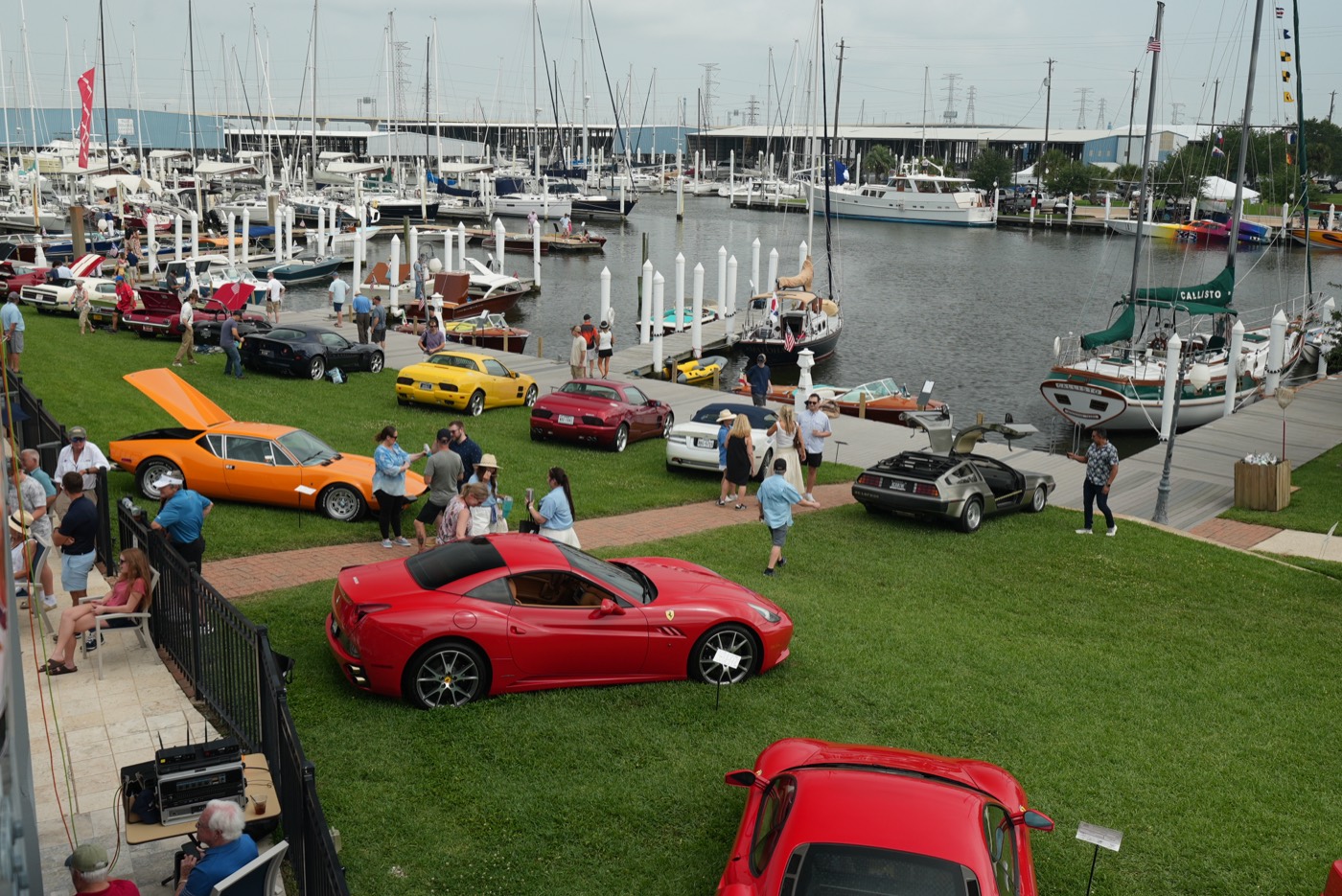
Keels & Wheels had a great show and a short window to sell it. Here is the 8-week, six-channel push behind two straight years of record ticket sales.
Keels & Wheels is one of the country's premier Concours d'Elegance events, a two-day show of classic cars, luxury exotics and vintage boats. For two years running, we were the only outside marketing team responsible for growing its ticket sales.
That is a specific kind of pressure. An event doesn't get a slow, steady year to build momentum. Most of the selling happens in a short window before the gates open, and if the audience doesn't hear about the show in time, there is no next month to make it up.
- 40%+ ticket sales growth over two years
- ~20% year-over-year growth, two years running
- 6 coordinated media channels
Event tickets sell late, and attention has moved
If you run an event, you already feel this: people wait. The ticketing data backs it up.
18.5 days is how far ahead the average buyer purchases an event ticket, and festivals sell 24% of their tickets in the final week alone. — Eventbrite ticketing data
Music is even more last-minute. Eventbrite found that 57% of music tickets in 2024 sold within a week of the show. The marketing that actually sells tickets has to peak late, close to the date, and it has to be hard to miss.
Where people spend their attention has changed too. Nielsen's The Gauge for August 2026 put streaming at 49.6% of all U.S. TV viewing time, with YouTube alone at 15.8%. Pew Research Center reports that 84% of U.S. adults use YouTube and 70% use Facebook.
- 49.6% of US TV viewing time is streaming (Nielsen The Gauge, Aug 2026)
- 15.8% of US TV viewing time is YouTube (Nielsen The Gauge, Aug 2026)
- 84% of US adults use YouTube (Pew Research Center, 2026)
So the buyer decides late, and they are spread across their phone, their connected TV, the local news and the game on Saturday. One channel won't reach enough of them in time.
The system we built for Keels & Wheels
We ran the whole growth engine end to end. We produced the content, placed it across every channel that mattered, and timed all of it to peak in the 8 weeks before each show.
- Produce content at volume We made hundreds of pieces of content for the event and its sponsors, so every channel had fresh creative all the way through the run-up.
- Go where the audience already is Six channel types ran together: Meta, Google Search, YouTube, connected TV, local broadcast news and in-game spots during live sports.
- Compress the push into 8 weeks We concentrated spend and creative into the window when attention turns into ticket purchases, instead of spreading it thin across the year.
- Make each channel back up the others A TV spot, an Instagram video and a top search result for the event name all told the same story. That repetition is what builds momentum.
- Track sales against the plan We reviewed ticket sales and reach every week and moved budget toward what was working while there was still time to act on it.
The result was millions of views each year and two straight years of record ticket sales, with roughly 20% growth each year and more than 40% across the two.
How to plan your own 8-week push
You don't need six channels to use the same logic. Here is how we would lay out the weeks for most regional events.
Weeks 8 to 5: build awareness
- Announce the date, the headline attractions and the ticket link everywhere at once.
- Run video on Meta and YouTube that shows the experience, not just a logo and a date.
- Turn on Google Search for your event name and the obvious searches around it, so people who hear about you can find tickets.
- Start building an audience of video viewers and site visitors to retarget later.
Weeks 4 to 2: give people a reason to buy now
- Release new content every week: featured exhibitors, sponsors, behind-the-scenes prep.
- Retarget everyone who watched or visited with a clear ticket offer.
- Add the bigger reach channels, such as connected TV or local broadcast, if the budget allows.
- Use a real deadline, like an early pricing tier ending, and keep it honest.
Final week: spend the most
- Put the largest share of budget into this week, because that is when a big share of tickets sells.
- Shift creative to the practical details: dates, times, parking, what is happening each day.
- Keep search spend high. Last-minute buyers search before they buy.
- Check ticket sales daily and move money to whatever is converting.
Numbers to watch each week
- Tickets sold compared with the same week last year.
- Cost per ticket sold by channel, not cost per click.
- Searches for your event name, which tell you whether the awareness channels are working.
- How many people watched most of each video, since that is the audience you retarget.
- Sponsor content performance, which helps you keep sponsors coming back next year.
The same habits we use for every client apply here. Test early, then put money behind what wins; we explain how in our test-and-scale framework. And because short video carried so much of this campaign, how we approach video that sells is worth a read even if you don't run a contracting business.
Where to start
- Pull last year's ticket sales by week and see when they actually sold.
- Lay your marketing spend by week on top of that curve.
- List every channel your audience uses and note which ones you skipped.
- Count how many new pieces of content you can release in the final four weeks.
If your spending peaked well before your sales did, that is the first thing to fix.
Two straight years of record ticket sales — they were the single engine behind our growth. — Keels & Wheels Concours d'Elegance
Read the full Keels & Wheels case study, or book a free audit and we'll map out an 8-week plan for your next event.