Blog · Paid Ads
How RND Technology Split Meta and Google Ads to Reach 8.2× ROAS
· 6 min read · By Thaker Management
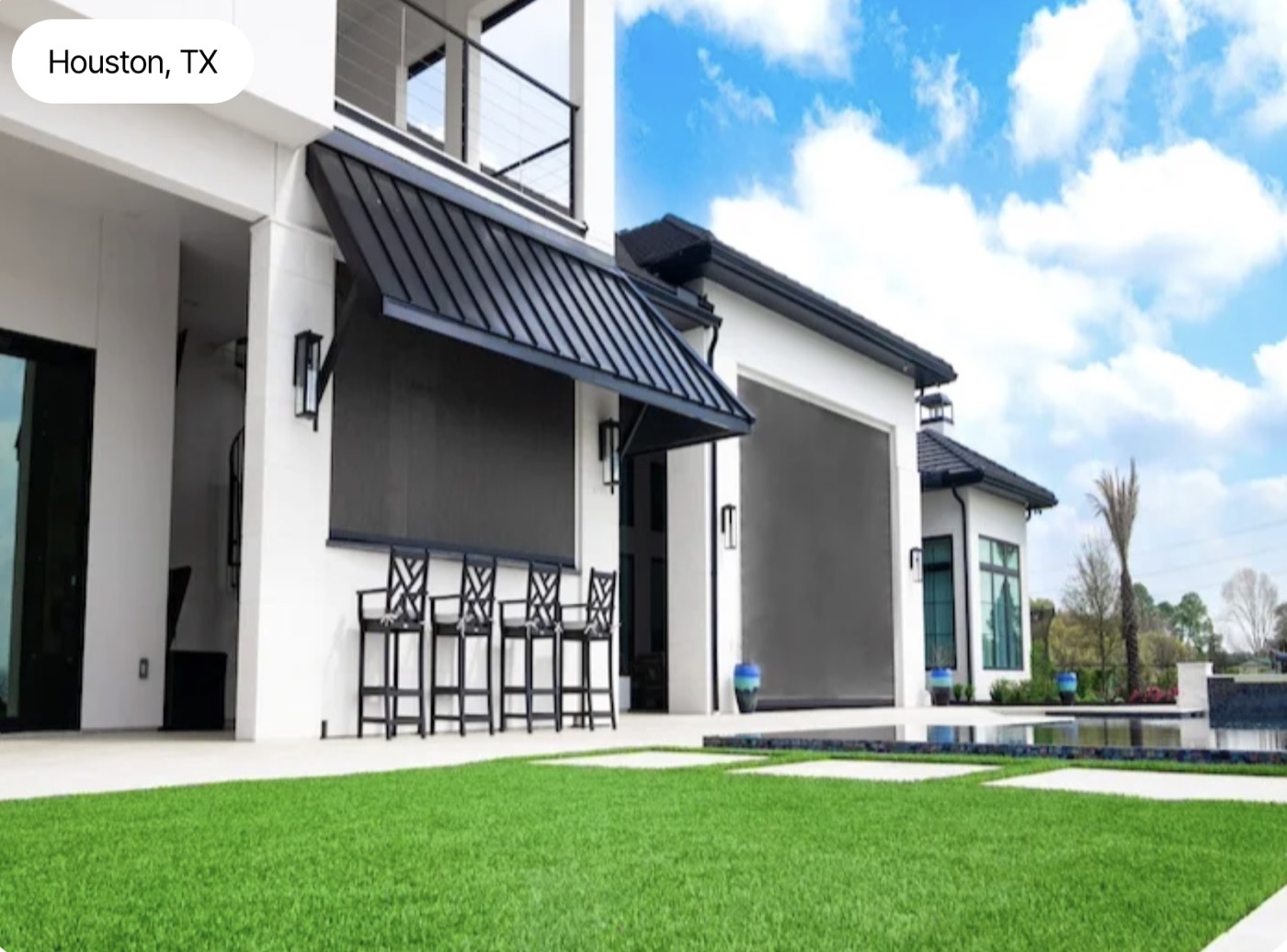
RND Technology had never run a paid ad. Eight months later, Google and Meta were each doing a different job, and the paid system was bringing in $120K+ a month.
RND Technology is a Houston technology and low-voltage integration company. When they came to us, they had real demand and no way to catch it. They had never run a paid ad. There was no tracking, no follow-up process, and nobody owned the number that mattered: booked pipeline.
Eight months later, the paid program we built was producing more than $120K a month in revenue at an 8.2× return on ad spend. A big reason is that we never asked Meta and Google to do the same job. Pool builders and outdoor-living companies face the same choice RND did, so this post walks through how we split the two platforms and the budget between them.
- 8.2× return on ad spend
- $120K+/mo revenue via the paid system
- 35%+ close rate on delivered leads
Your buyers are on both platforms, doing different things
Most owners frame Meta ads vs Google ads as an either-or decision. The U.S. data says your customers use both, and they behave differently on each.
70% of U.S. adults use Facebook, 51% use Instagram and 84% use YouTube. Most of them aren't searching for a contractor today, but many will be next season. — Pew Research Center, 2026
Search is where people go once they've decided they have a project. CallRail's 2025 benchmark of 1.1 million business conversations found Google Ads drove 37% of conversations and 36% of sales appointments. Those clicks aren't cheap. LocaliQ's 2026 benchmarks for home and home improvement put the average cost per click at $8.33 and the average cost per lead at $90.92.
- $8.33 average cost per click, home & home improvement search (LocaliQ, 2026)
- 8.05% average search conversion rate in the same category (LocaliQ, 2026)
- 36% of sales appointments came from Google Ads (CallRail, 2025)
For a pool builder, that's the tradeoff in a sentence. Google catches the homeowner who already typed "pool builder near me." Meta reaches the much larger group who would love a pool but haven't started looking. You need both, but you shouldn't pay both for the same thing.
The system we built for RND Technology
RND started from zero, so we built everything at once: the offer, the creative, the campaigns, the follow-up and the tracking. Here is how the pieces fit together.
- Sharpen the offer for a technical buyer RND's buyers weigh the details before they call. We reworked the messaging around RND's actual value proposition and built hook-led ads and landing pages to match, instead of a generic "get a quote."
- Give Google the high-intent searches Google campaigns went after people already searching for what RND does. That's the bottom of the funnel, where the buyer is ready to talk.
- Give Meta the job of creating demand Meta reached people who fit RND's buyer but weren't searching yet, and kept RND in front of them until they were ready.
- Move budget on evidence Both platforms ran on a test-and-scale framework. As the data came in, we moved spend toward the audiences and creative that produced qualified conversations.
- Work every lead in minutes Instant lead notifications and automated speed-to-lead follow-up meant every inquiry was captured, routed and worked in minutes. Booking flows turned those conversations into scheduled appointments.
- Tie every dollar to pipeline Conversion tracking, attribution and call recording showed which campaigns produced qualified conversations, and we reviewed the numbers with RND directly.
The split only worked because of that last step. Without tracking, you can't see whether Meta is creating the demand that Google later captures, and it's easy to cut the wrong channel.
How we split the budget between Meta and Google
There's no universal percentage. We set the split by asking how much ready-to-buy search demand exists in your market, then deciding what Meta needs to add on top of it.
- Fund Google to cover the searches that matter. Start with what a buyer types when they're ready: your service plus your city, "near me" searches, and the specific products you install. There are only so many of those searches each month, and more budget won't create more of them.
- Give Meta the growth job. Once the important searches are covered, the next dollar usually belongs on Meta, where the audience is far larger. That's where new demand comes from.
- Judge each platform on its own job. Google should be judged on cost per qualified lead and booked appointments. Meta should be judged on qualified leads, and on whether branded searches and direct calls rise while it runs.
- Rebalance on a schedule. We review the split in weekly KPI meetings with each client and move money in steps, not all at once.
Pool builders have one more factor: the season. Homeowners start picturing a pool long before they search for a builder. Meta can start that conversation in the off-season, so when search volume picks up in spring, more of the people searching already know your name. If you're weighing paid search against other local options too, see how Local Services Ads, Google Ads and SEO compare.
What to watch in the first 90 days
- Cost per qualified lead by platform, not just cost per lead.
- Booked appointments and close rate by platform. RND's close rate on delivered leads ran above 35%, and that number made the budget decisions much easier.
- Google search terms. Cut anything a real buyer wouldn't type.
- Creative fatigue on Meta. When the same people keep seeing the same ad and lead quality drops, refresh the hooks.
- Time to first call. Both platforms waste money if leads sit overnight.
Most of the Meta work comes down to creative and structure, which we cover in our Facebook ads playbook for home service businesses. For how we decide what earns more budget, see our test-and-scale framework.
Where to start if you only run one today
- Only on Google: check whether you're already buying most of the ready-to-buy searches in your area. If you are, your next dollar belongs on Meta.
- Only on Meta: add a tight Google campaign on your service plus city terms, so the people your ads warm up can find you when they search.
- Running both: make sure you can see booked appointments by platform. If you can't, fix tracking before you move any budget.
Thaker gave us a pipeline we can actually count on — and we finally know what every dollar is doing. — RND Technology
Read the full RND Technology case study, or book a free audit and we'll show you how your budget should be split between the two.